
The Adventures of Liam began with a simple bedtime question: what happens next?
When image generation entered public attention, it became possible to give an improvised story a visible world before the moment passed. But the important change was not simply that I could make an illustration. The image became something my son Liam and I could use to continue imagining together.
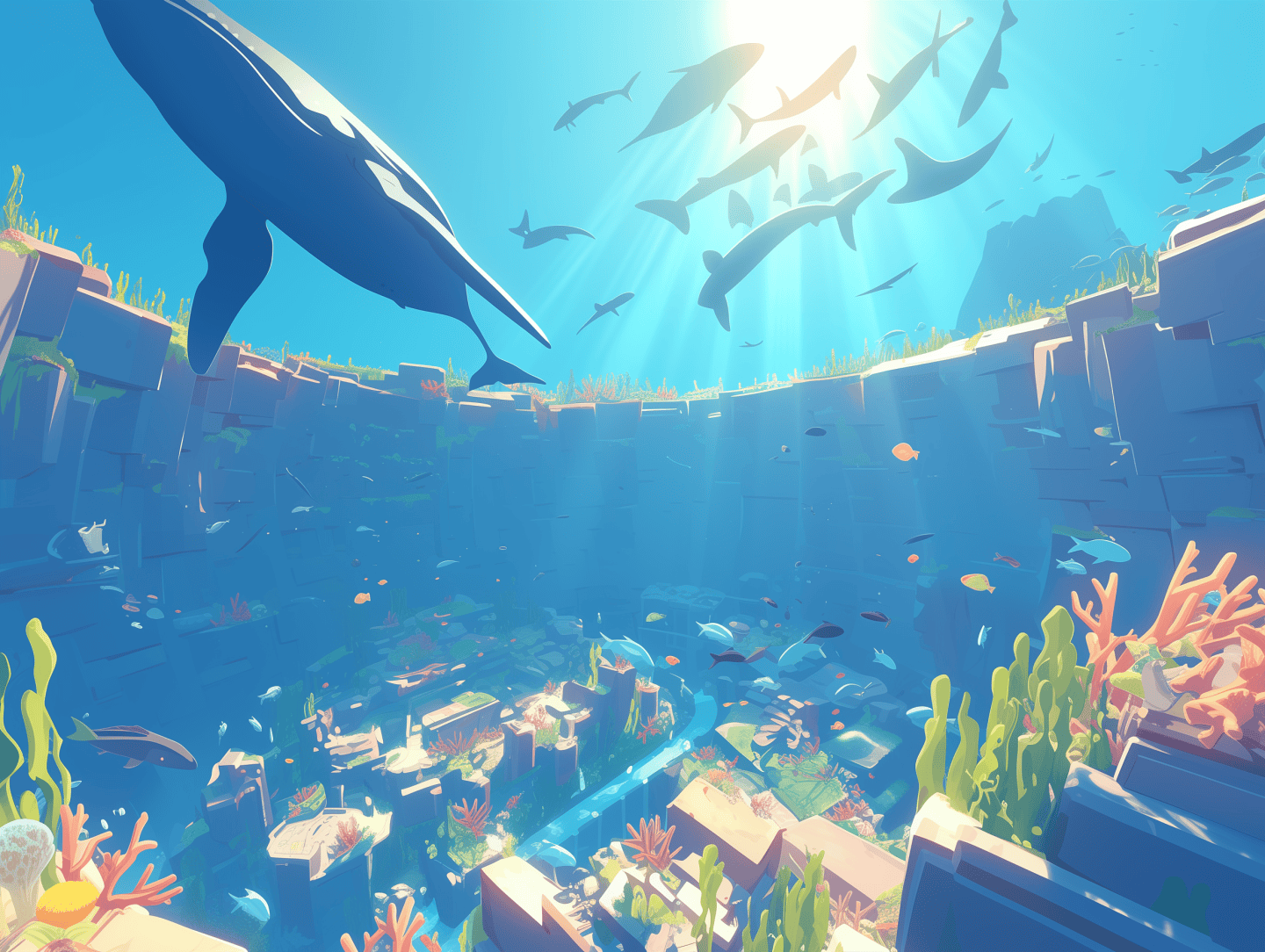
01 / An image before the story ended
Making an imagined world present
Bedtime stories are immediate and temporary. A place appears in speech, a character acquires a problem, and the story moves wherever attention takes it. Before generative images, many of those worlds disappeared with the telling. I could describe a forest, a machine or an unfamiliar creature, but description always met the limit of what I could explain quickly and what a child could assemble from words alone.
Midjourney felt remarkable because it shortened the distance between imagining something and seeing a version of it. A setting that had existed only in conversation could become an image while the idea was still fresh. We could point to it, disagree with it and use it to ask another question. What was previously difficult to communicate became material we could encounter together.
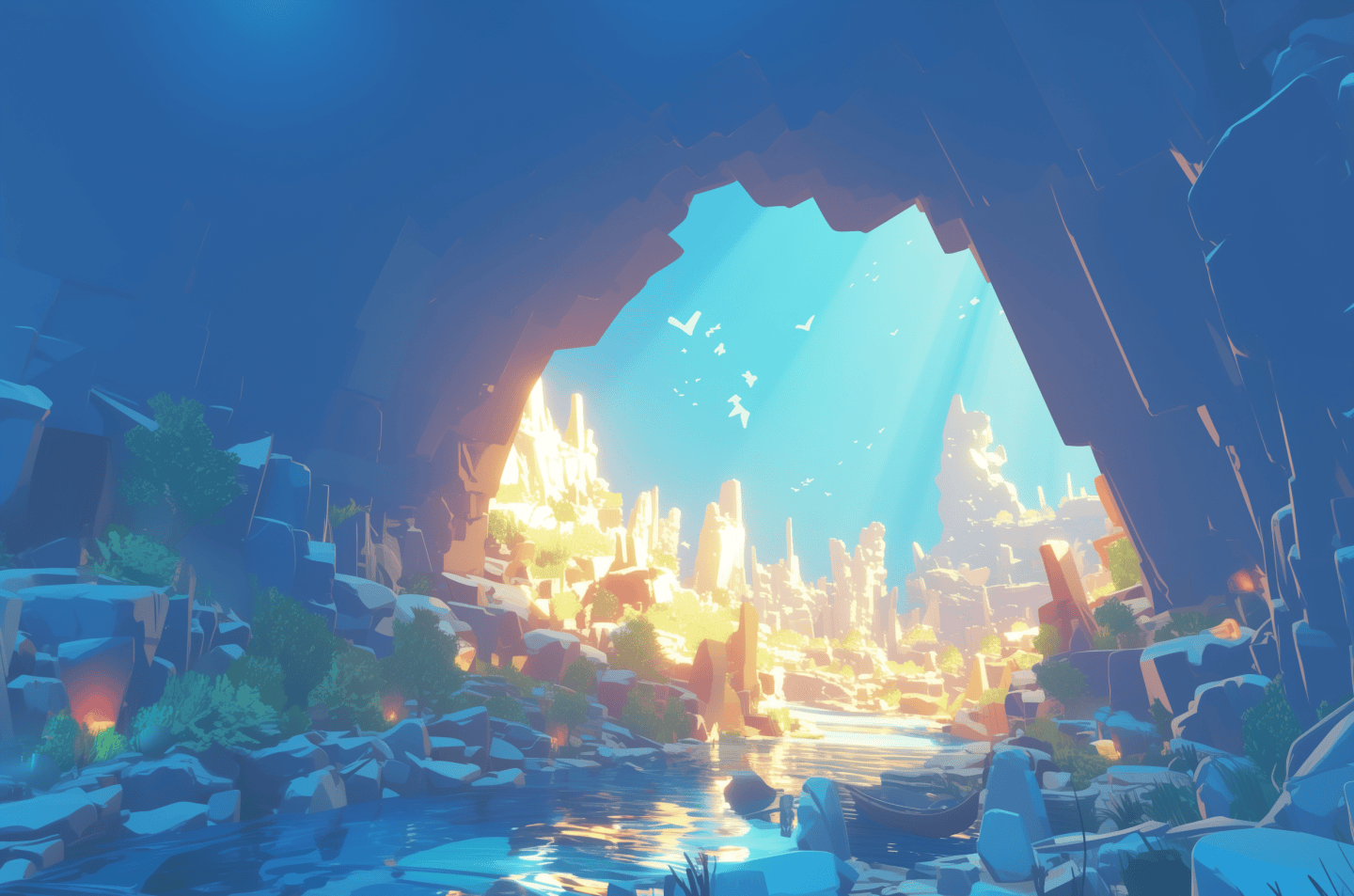
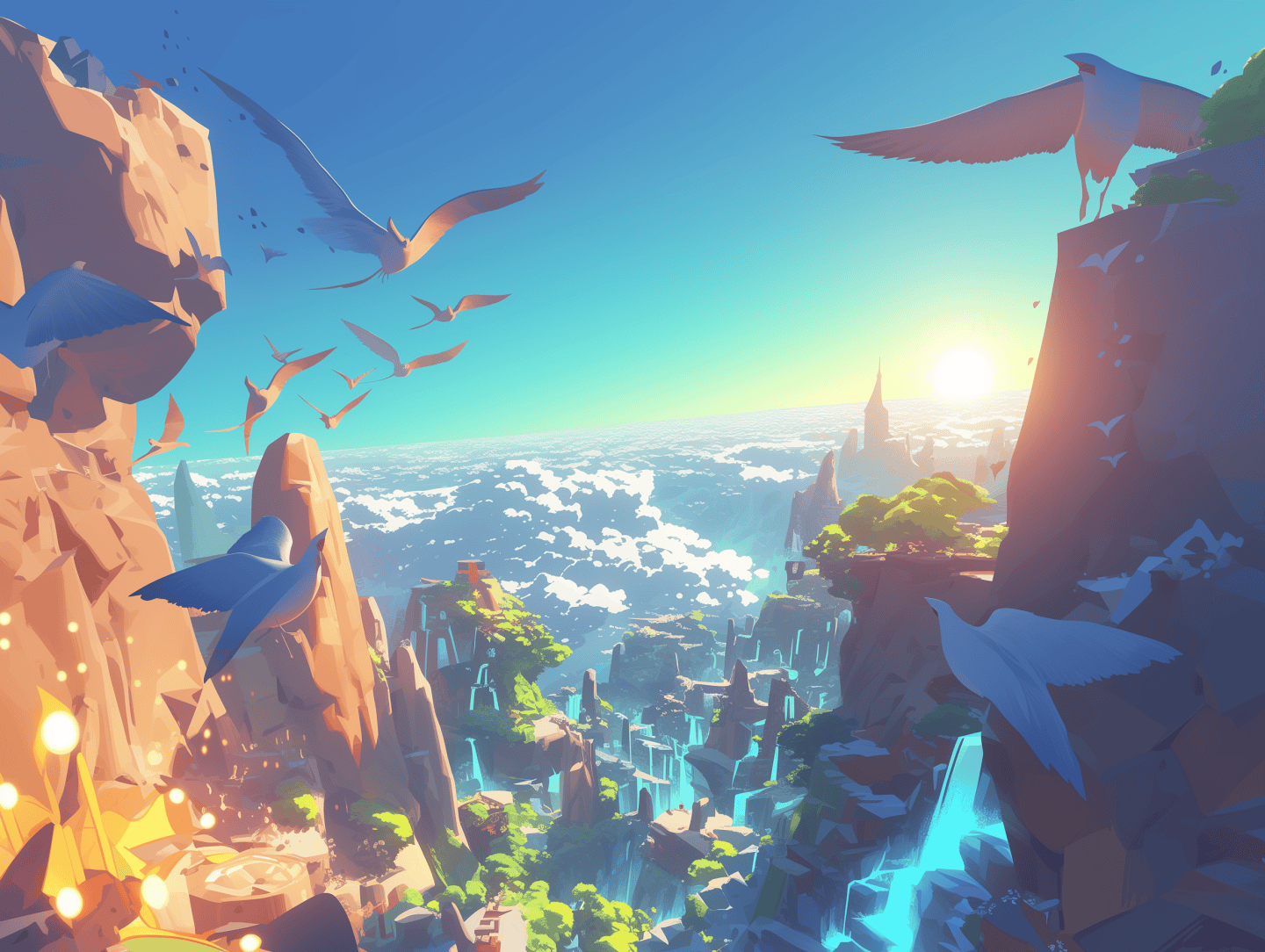
The image did not complete the story. It gave us something new to continue from.
02 / The child as co-author
A prompt spoken across a pillow
The process was conversational before it was computational. I might establish the beginning of an adventure and then ask Liam what happened next. His answer could introduce a new character, overturn the direction I expected or replace the problem entirely. At other times he would draw a character as a sketch, giving the story a form that came directly from his hand.
My role was to hold the fragments together: to ask a question, remember what had already happened and help one event lead to another. The generative tool added another participant, proposing an interpretation that neither of us had pictured exactly. Sometimes that interpretation was useful. Sometimes its mistakes helped Liam explain more precisely what he meant.
This made the act of creation less like commissioning an image and more like passing an idea between different forms. Speech became a prompt; a prompt became an image; an image provoked a correction; a sketch restored a detail the model had missed. The story emerged from those translations rather than from any single author.
For a child, this offers more than novelty. An internal image can be externalized and discussed. A vague idea can acquire colour, scale and expression. The child sees that an imagined world is not fixed: it can be described, tested, redrawn and shared with someone else.
03 / Continuity as a constraint
From a striking picture to a continuing character
The early difficulty was consistency. Image models could produce a convincing scene, but the same character might return with a different face, clothing or proportion. A landscape could lose the features that mattered to the plot. Each image worked as an isolated invention while the story needed continuity—a sense that the person entering the next scene was the same person who had left the last one.
As newer models became better at retaining character and context, longer visual sequences became more plausible. This technical improvement mattered because narrative depends on recognition. Repetition allows a child to care about a character, anticipate how that character might act and understand change against something stable.
Yet inconsistency also exposed an important distinction. A beautiful image is not automatically a useful story image. The latter must remember. It has to carry enough of the earlier world forward for a new event to feel consequential. In that sense, the project became an experiment in visual memory as much as image generation.
The remaining imperfections keep the process conversational. We still have to decide which features are essential, which changes can become part of the fiction and when a generated result should simply be rejected. The tool expands what can be pictured, while judgement remains with the people telling the story.
04 / A story that grows with its reader
An intermittent family archive
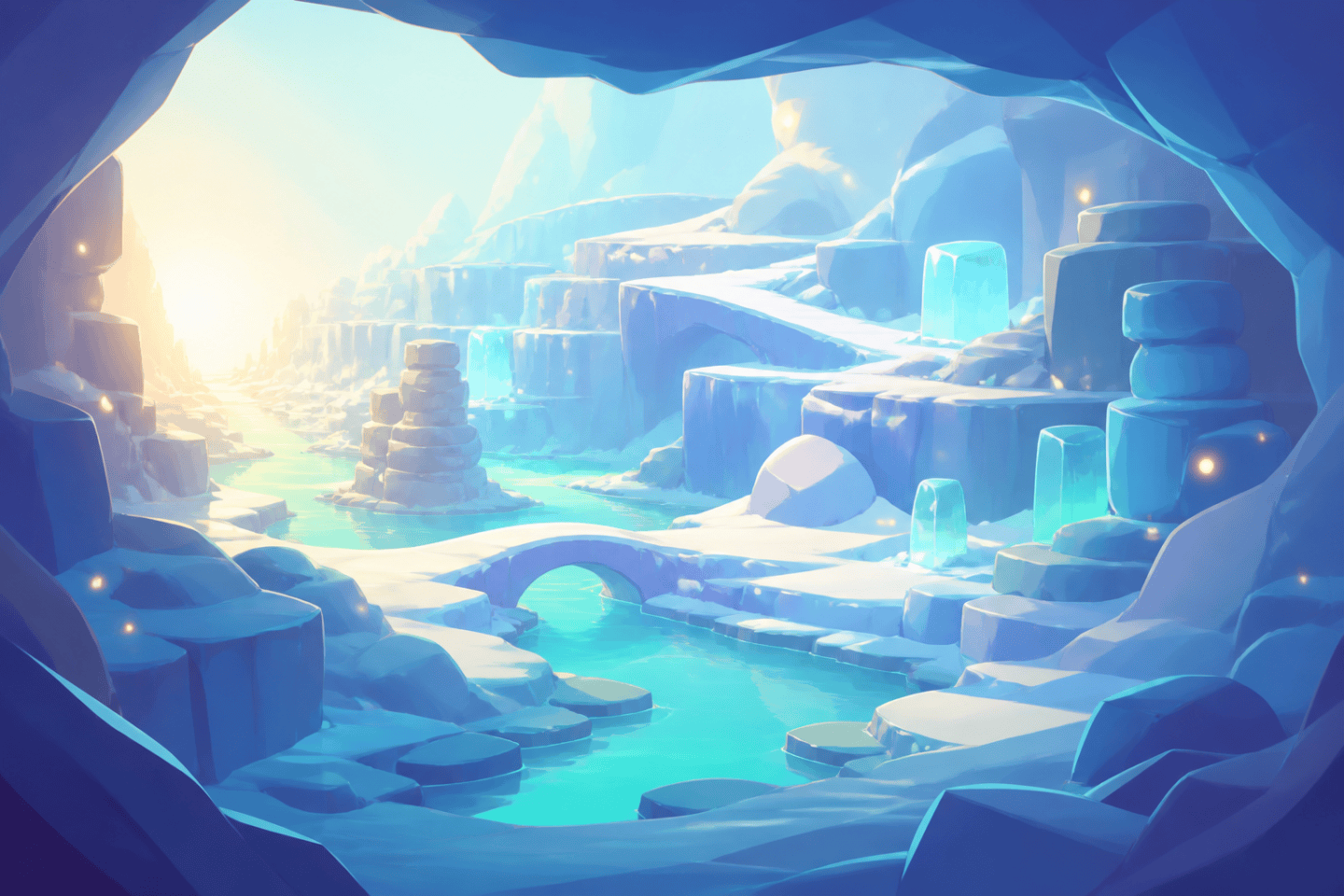
TAOL will not follow a fixed production schedule. It will be updated from time to time, when another story asks to be told or a drawing suggests a character worth following. Its changing form is part of the project.
As Liam begins to understand narrative and fiction differently, the kinds of decisions he makes will also change. Early stories may move through immediate actions and surprising creatures. Later ones may hold longer arcs, motives, consequences and worlds with rules of their own. The archive can record that development without turning it into a lesson plan.
For me, the lasting possibility is modest: technology can help preserve a form of shared imagination that would otherwise vanish at bedtime. The stories matter because we made them together. The images allow some part of that conversation to remain visible.